Study MBBS in Nepal: Top NMC & WHO Recognized Medical Universities for Indian Students
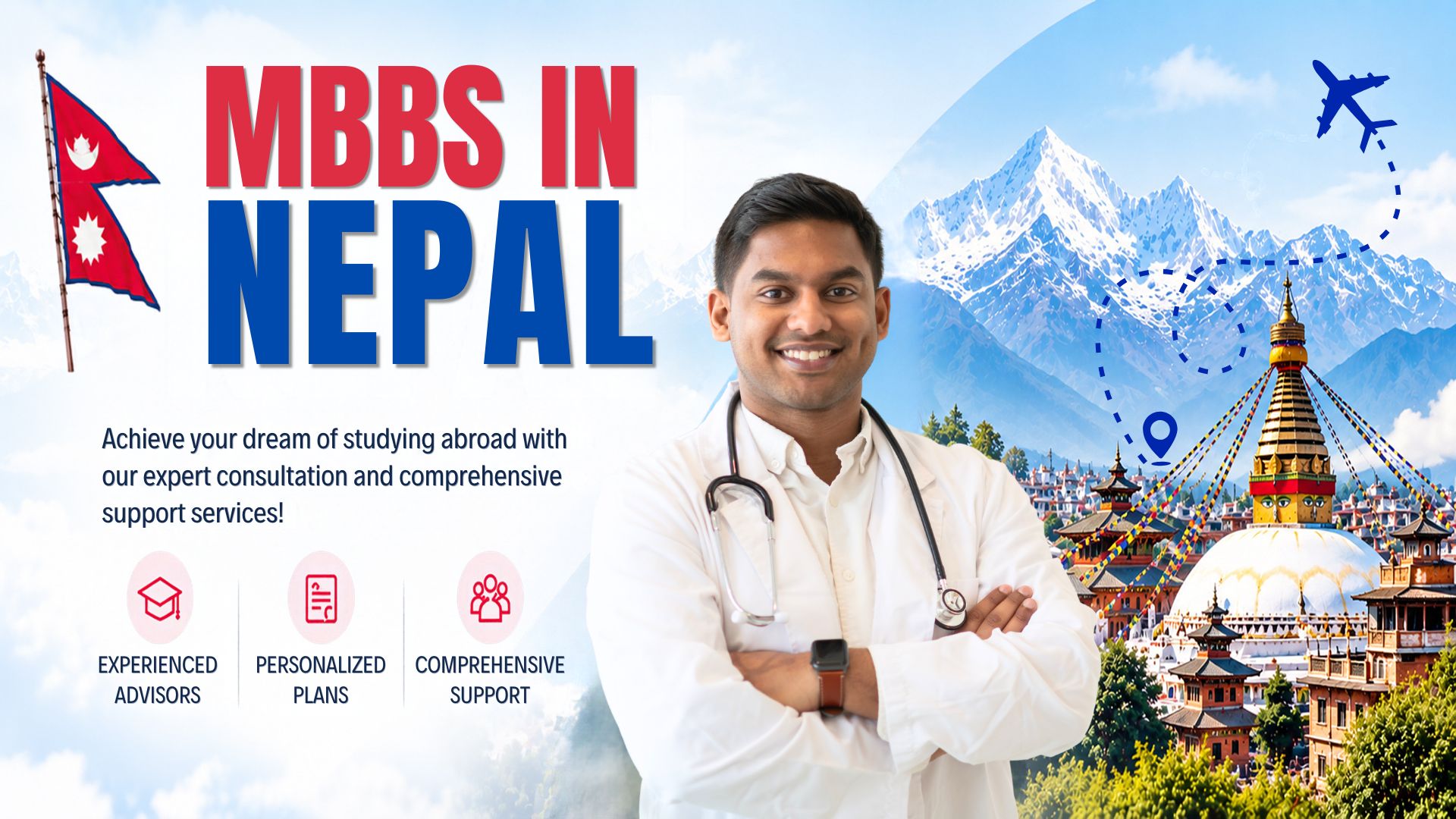
Nepal has emerged as the most preferred destination for Indian students seeking an affordable, high-quality medical education close to home. Sharing an open border, deep-rooted cultural ties, and similar food habits and languages with India, Nepal offers Indian medical aspirants a seamless transition with zero visa requirements.
All premier medical colleges in Nepal—affiliated with Tribhuvan University (TU), Kathmandu University (KU), BPKIHS, and PAHS—are recognized by global and national authorities including the National Medical Commission (NMC), New Delhi, the Medical Education Commission (MEC), Nepal, the World Health Organization (WHO), and FAIMER. They deliver the complete MBBS curriculum in English with an Indian-aligned syllabus, strong clinical patient inflow, and high FMGE/NExT passing rates at a fraction of Indian private medical college fees.
Nepal is a vibrant Himalayan nation in South Asia, home to approximately 30 million residents. It is bordered by China to the north and surrounded by India on the south, east, and west, offering effortless road and flight connectivity for Indian students. Kathmandu is the capital and largest metropolitan hub, alongside major educational cities like Pokhara, Biratnagar, Bharatpur, and Dharan. Renowned for its peaceful environment, shared heritage, and visa-free entry for Indian citizens, Nepal provides a safe and welcoming second home for future doctors.
Choose the right path for your career growth with NMC, MEC & WHO recognized medical colleges.
 Bhairahawa
Located right near the India–Nepal border (Sonauli), UCMS features a 750+ bed multi-specialty teaching hospital, modern clinical laboratories, and one of the largest Indian student communities in Nepal.
 Kathmandu
A premier autonomous public health sciences institution attached to the renowned Patan Hospital. Celebrated for problem-based learning (PBL), massive outpatient volume, and community-oriented clinical training.
 Biratnagar
Situated in Biratnagar just minutes from the Bihar (Jogbani) border, Nobel Medical College operates a 760+ bed super-specialty tertiary hospital serving thousands of patients from both Nepal and northern India.
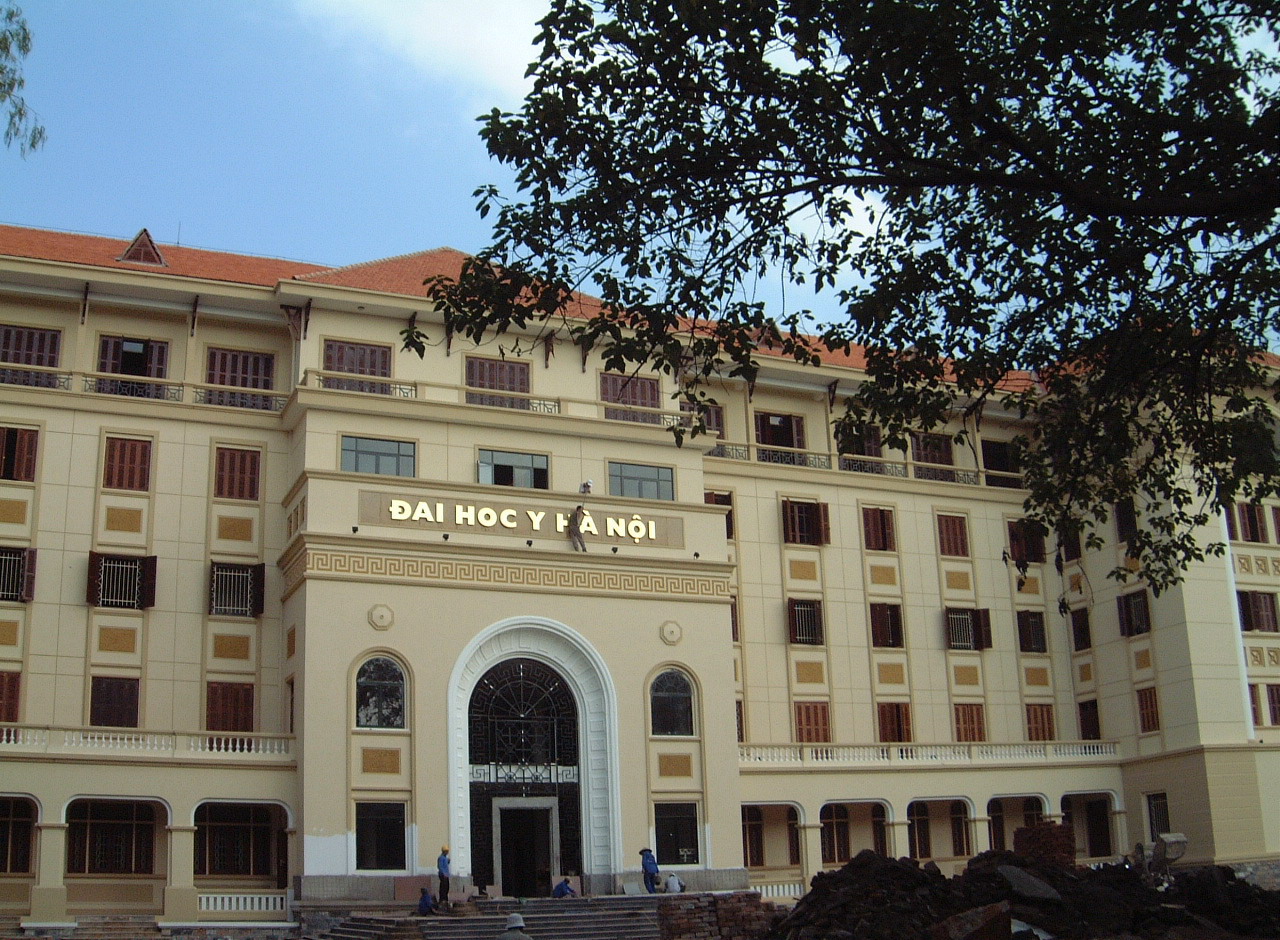 Nepalgunj
One of Nepal's oldest and most respected private medical institutions, featuring dual teaching hospital campuses in Kohalpur and Nepalgunj with over 750 beds and decades of Indian alumni success.
A globally recognized medical pathway engineered for clinical excellence, familiar cultural comfort, and proven licensing success.
Medical education in Nepal costs significantly less than Indian private colleges. Students receive high-standard clinical training without hidden capitation fees or donations.
Nepal provides an economical living environment with budget-friendly student hostels and familiar food. Daily necessities are easily managed without straining family finances.
Universities maintain regulated student-faculty ratios and modern practical laboratories, ensuring individualized mentorship and hands-on case discussion.
Deep cultural, linguistic, and festive ties with India mean zero culture shock. Indian festivals are celebrated enthusiastically on campus alongside local traditions.
All lectures, textbooks, clinical rounds, and examinations are conducted in English, aligning directly with Indian standard medical textbooks (BD Chaurasia, Guyton, Robbins).
Indian candidates can secure enrollment directly through their NEET-UG score under the MEC foreign quota. Absolutely zero donations or hidden agent charges.
Affiliated teaching hospitals (750+ beds) provide continuous clinical bed rotations, allowing students to examine pathology patterns identical to those seen in India.
Degrees are recognized globally by WHO, NMC (India), FAIMER, and ECFMG (USA)—empowering graduates to sit for NExT (India), USMLE (USA), and PLAB (UK).
Transparent, MEC-regulated fee packages across top medical colleges for Indian students.
| Type of Expense | Academic Year / Interval | Cost (in USD) | Cost (in INR Approx.) |
|---|---|---|---|
| 1st Year Tuition & Admission Fee Includes admission registry, lab, and university council registration | Year 1 (At Admission) | $25,000 – $28,000 | ₹21,00,000 – ₹24,00,000 |
| 2nd Year Tuition Fee Second academic session installments | Year 2 | $12,000 – $14,000 | ₹10,00,000 – ₹12,00,000 |
| 3rd Year Tuition Fee Clinical postings and practical rotations | Year 3 | $12,000 – $14,000 | ₹10,00,000 – ₹12,00,000 |
| 4th Year Tuition Fee Final phase academic lectures & hospital rounds | Year 4 & 4.5 | $12,000 – $14,000 | ₹10,00,000 – ₹12,00,000 |
| Hostel & Campus Accommodation Twin sharing room with 24/7 security & water | Per Year | $1,000 – $1,200 | ₹85,000 – ₹1,00,000 / Yr |
| Indian Mess / Food Expenses Pure vegetarian & non-vegetarian Indian meals | Per Year | $1,000 – $1,200 | ₹85,000 – ₹1,00,000 / Yr |
| Total Estimated Investment (5.5 Years) *Subject to exchange rates and specific institution chosen | $75,000 Max | ₹55L – ₹65L Total | |
Many students select Nepal to study MBBS since the overall cost is affordable and offers a strong ROI (return on investment). Every year an average of 400–600 students graduate from Nepalese medical colleges. To get enrolled in an MBBS course in Nepal, candidates need to fulfil the eligibility criteria laid down by the National Medical Commission (NMC):
Entrance Test: Admission is based on qualifying the National Eligibility cum Entrance Test (NEET-UG).
Educational Criteria: The student must have scored at least 50% aggregate marks in 10+2 with Physics, Chemistry, and Biology.
Age: Minimum of 17 years old by December 31st of the admission year.
The enrollment roadmap is organized in a systematic manner. Most key applications start for the September intake, with documentation often due by mid-July.
The mode of admission is by registration. Admission sessions are ordinarily held in September, and the application deadline for the September intake will be around 15 July.
Applicants must submit the relevant documents in digital form and provide the details as requested on the university’s admission website.
After reviewing your application (including all required documents), the university will issue you an admission letter stating that you have been accepted to study the MBBS Program.
As soon as the application is vetted and documents are verified, the University releases the acknowledgement letter stating that you have been admitted to the MBBS program.
Candidates will need to furnish their educational transcripts, NEET score, and other related documents to relevant agencies in India and Nepal so authorities can cross-verify and get them notarised.
When the verification and validation are finished, the University provides the student with an Invitation Letter (LOI), which is a legal document that proves that the student has been admitted to study at the university.
Students can complete entry/visa formalities following receipt of the LOI from the university. The process normally takes approximately 10–15 business days, and student registration is renewed yearly.
Our team will support the students end-to-end including flight arrangements, international SIM cards, assistance in foreign exchange, pickup from the Nepal airport to university drop, and providing hostel facilities.
The entire MBBS course structure in Nepal is covered in 5.5 years (4.5 + 1 years). It comprises 4.5 years (54 months) of rigorous academic study and clinical coursework, followed by a 1-year compulsory rotating clinical internship.
Yes. Nepal offers an excellent ROI with affordable tuition compared to Indian private colleges, an identical Indian medical syllabus, no visa requirements for Indian citizens, familiar food and culture, and globally recognized degrees approved by NMC and WHO.
While Nepal is one of the easiest transitions for Indian students due to shared culture and language, seats under the foreign quota in top public and private medical colleges are limited and highly competitive, and tuition is slightly higher than some Central Asian destinations—though offset by much higher FMGE passing rates.
Yes. Medical degrees from Nepal are valid and recognized in India, provided you graduate from a university listed in WHO/WDOMS and fulfill all applicable guidelines defined by the National Medical Commission (NMC), including qualifying NEET-UG prior to admission and clearing the FMGE/NExT licensing exam in India.
Tuition fees vary depending on the city and specific medical college selected, but the total comprehensive cost for the complete 5.5-year MBBS program typically ranges between ₹40 Lakhs to ₹65 Lakhs (approximately $75,000 USD including tuition and hostel expenses), payable in yearly installments.
No. Qualifying the National Eligibility cum Entrance Test (NEET-UG) is mandatory for Indian citizens seeking direct MBBS admission in Nepal under the Medical Education Commission (MEC) guidelines, as well as a compulsory requirement by the NMC to practice medicine in India.
Nepal consistently records one of the highest FMGE passing percentages among all foreign medical destinations—averaging between 35% to 50%+ across top constituent and affiliated medical colleges—because the syllabus, textbooks, and disease patterns closely mirror Indian medical colleges.
Complete your 5.5-year clinical training with hands-on hospital rotations at a fraction of Indian private college costs. Fully aligned with NMC guidelines.